.svg)

27-01-2026
Team Le Monsoon
Why South Indian Breakfast Is Redefining the Canberra Dining Experience in 2026
Canberra’s food scene has always leaned more towards the thoughtful than the flashy. Over the past year, something quietly significant has been unfolding: South Indian breakfast has moved from niche to mainstream, emerging as one of the city’s most compelling food conversations in 2026.
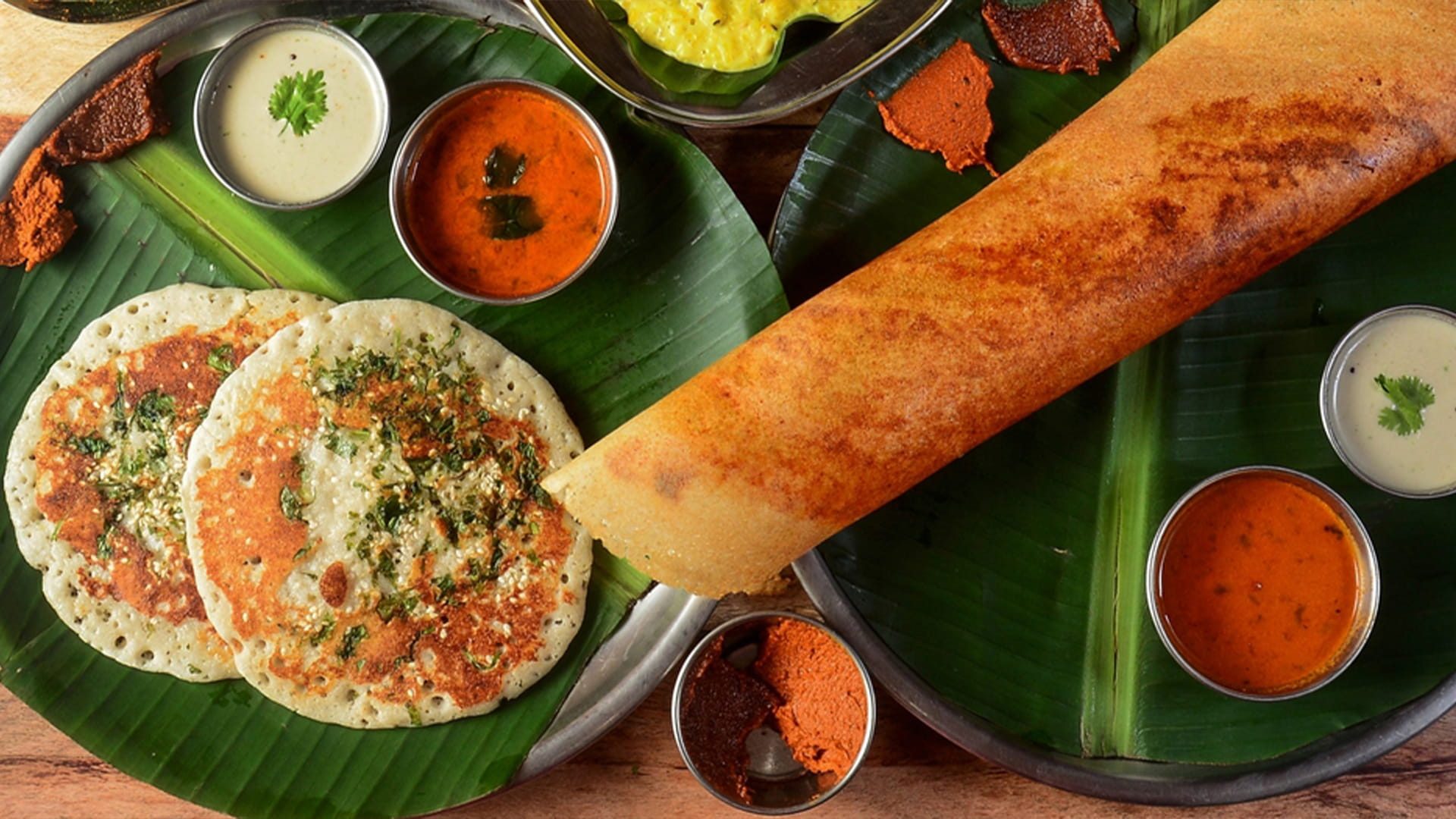
Once celebrated largely within Indian households, dishes like dosa, idli, and sambar are now finding their place on café tables and brunch menus across the city. From early-morning coffee catch-ups to unhurried weekend breakfasts, these plates are being rediscovered as modern, flavour-driven, and deeply satisfying.
In a dining landscape increasingly shaped by wellness, experience, and regional authenticity, South Indian breakfast no longer feels like a discovery. They’re becoming more ritualistic for diners looking for food that feels deliberate rather than indulgent and nourishing rather than performative.
A New Breakfast Language for a Thoughtful City
Breakfast trends often swing between extremes: quick and functional or oversized and indulgent. But South Indian breakfast sits comfortably in between. And as diners become more health-aware without sacrificing flavour, South Indian breakfast naturally fits the moment.
Fermented batters, slow-simmered lentils, coconut-forward chutneys, and aromatic tempering all create meals that are light yet deeply flavourful and are designed to energise rather than overwhelm and offer comfort without heaviness, something many Canberra diners are actively seeking. For Canberra diners accustomed to balanced living and intentional choices, this style of cooking feels instinctively right.
In a city where mornings start early and routines matter, this style of food feels intuitive. It’s breakfast that respects the day ahead.
South Indian Flavours Feel Honest, and Diners Can Taste That
The growing popularity of South Indian breakfast points to a larger shift in how Indian food is being understood and appreciated locally. And one of the reasons this breakfast is resonating so strongly is its clarity of flavour.
Rather than relying on rich gravies or overpowering sauces, South Indian cooking prioritises texture, fermentation, freshness, and restraint. Every element has a purpose, and nothing feels excessive.
The spice here doesn’t shout but supports.
Increasingly curious and food-literate Canberra diners are moving away from pan-Indian familiarity and towards regional identity. All of that is because of its distinct techniques and flavour structures, offering a refreshing contrast to the expectations many still associate with Indian dining.
This isn’t about reinvention. It’s about recognition.
In 2026, Canberra diners are showing a strong preference for food that feels considered rather than constructed. And South Indian cuisine aligns perfectly with that shift.
A Breakfast Experience Without the Excess
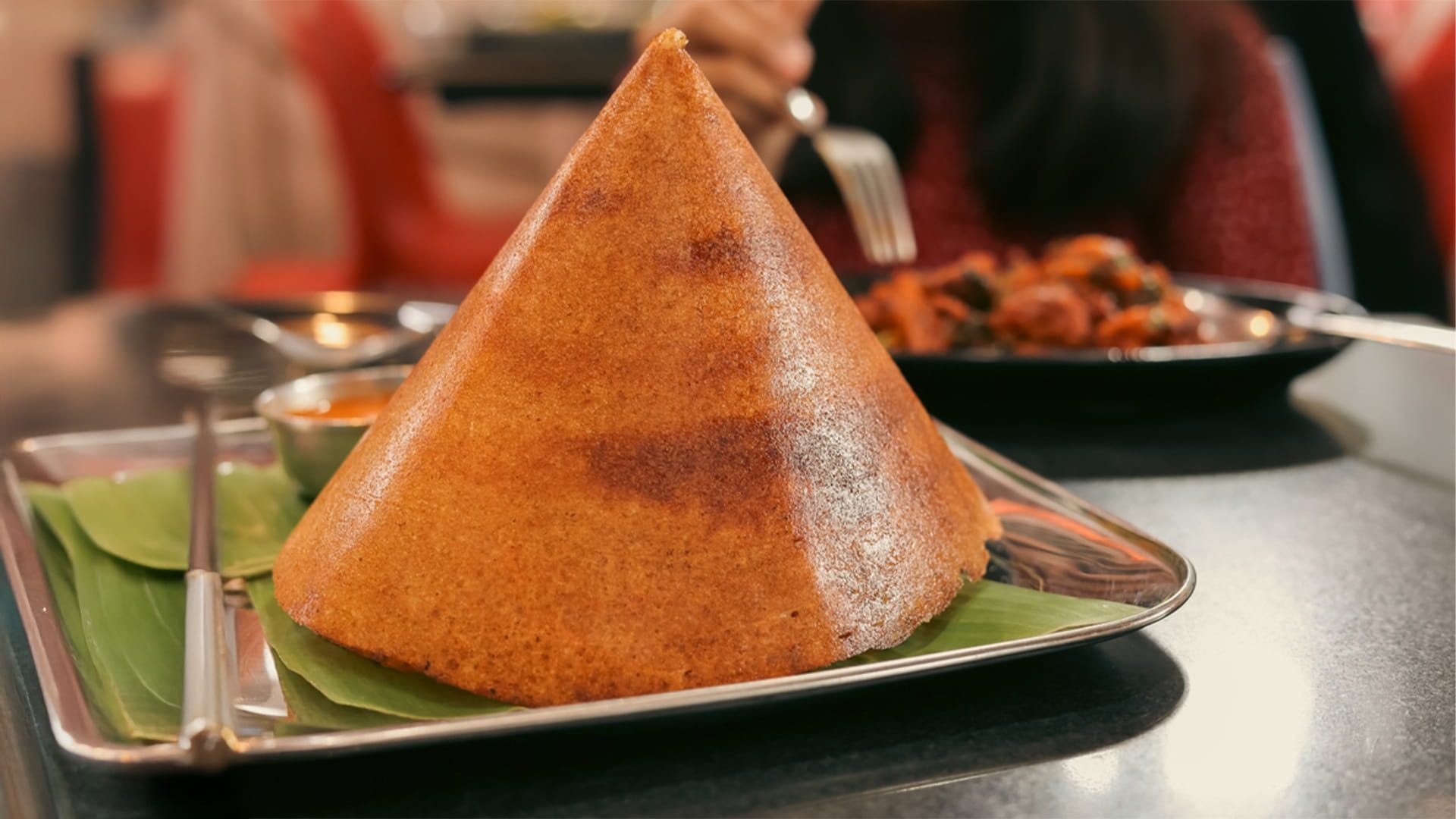
One of the quiet appeals of South Indian breakfast that fits Canberra so well is how it encourages diners to slow down without insisting on spectacle.
The act and pleasure of tearing into a crisp dosa, dipping it thoughtfully into sambar, moving between textures and temperatures, and tasting each element individually turns breakfast into an experience rather than a transaction. Making the experience feel grounded and human without needing any embellishment.
In 2026, as dining becomes increasingly experience-led, Canberra diners are choosing places that offer atmosphere, intention, and a sense of calm, even during busy parts of the day.
South Indian breakfast delivers exactly that.
Why South Indian Breakfast Resonates Now
Several intersecting trends explain this shift:
- A growing preference for gut-friendly, lighter meals
- Greater curiosity around regional cuisines
- A desire for calm, composed dining experiences
An appreciation for food that is flavour-driven, not indulgence-driven
South Indian breakfast meets all four without trying to.
In 2026, dining isn’t only about what’s on the plate; it’s also about how it makes you feel.
What This Trend Means for Indian Dining in 2026
South Indian breakfast isn’t just “trending” because it’s different. It’s gaining traction because it aligns with where food culture is heading:
- Lighter but flavourful cooking
- Regional authenticity over generic menus
- Experience-led dining without excess
Honest ingredients, prepared with care
Indian food in Canberra is evolving beyond expectations, and among that, south indian breakfast is leading the way.
Where Le Monsoon Fits Into the Conversation
At Le Monsoon, the philosophy has always centred on balance, depth of flavour, and thoughtful presentation. The renewed interest in South Indian breakfast reflects a dining culture that values those same principles where food is an extension of craft, one that values nuance over novelty.
As Canberra diners continue to explore Indian food with curiosity and openness in 2026, South Indian breakfast isn’t just having a moment. It has become a natural entry point, all the while becoming a part of the city’s everyday rhythm.
So if you haven’t explored Canberra’s food scene lately, there’s no better moment than now. And if you’re curious to experience it for yourself, there’s a table waiting, and we’d love to host you here at Le monsoon.
